You brush your teeth every day, floss when you remember, and figure your smile is in pretty good shape. But what if your gums are trying to tell you something?
Maybe you've noticed a little pink in the sink after brushing. Or perhaps your breath doesn't seem as fresh as it used to, even after using mouthwash. These small changes are easy to brush off, but they could be early warning signs of gum disease.
Here's something many people don't realize: gum disease doesn't always hurt. In fact, it can develop quietly for months or even years before you notice anything unusual.
The good news? Knowing what to look for can make all the difference.

What Exactly Is Gum Disease?
Gum disease, also called periodontal disease, starts when bacteria-filled plaque builds up along your gumline. If that plaque isn't removed regularly, it can irritate your gums and eventually harden into tartar.
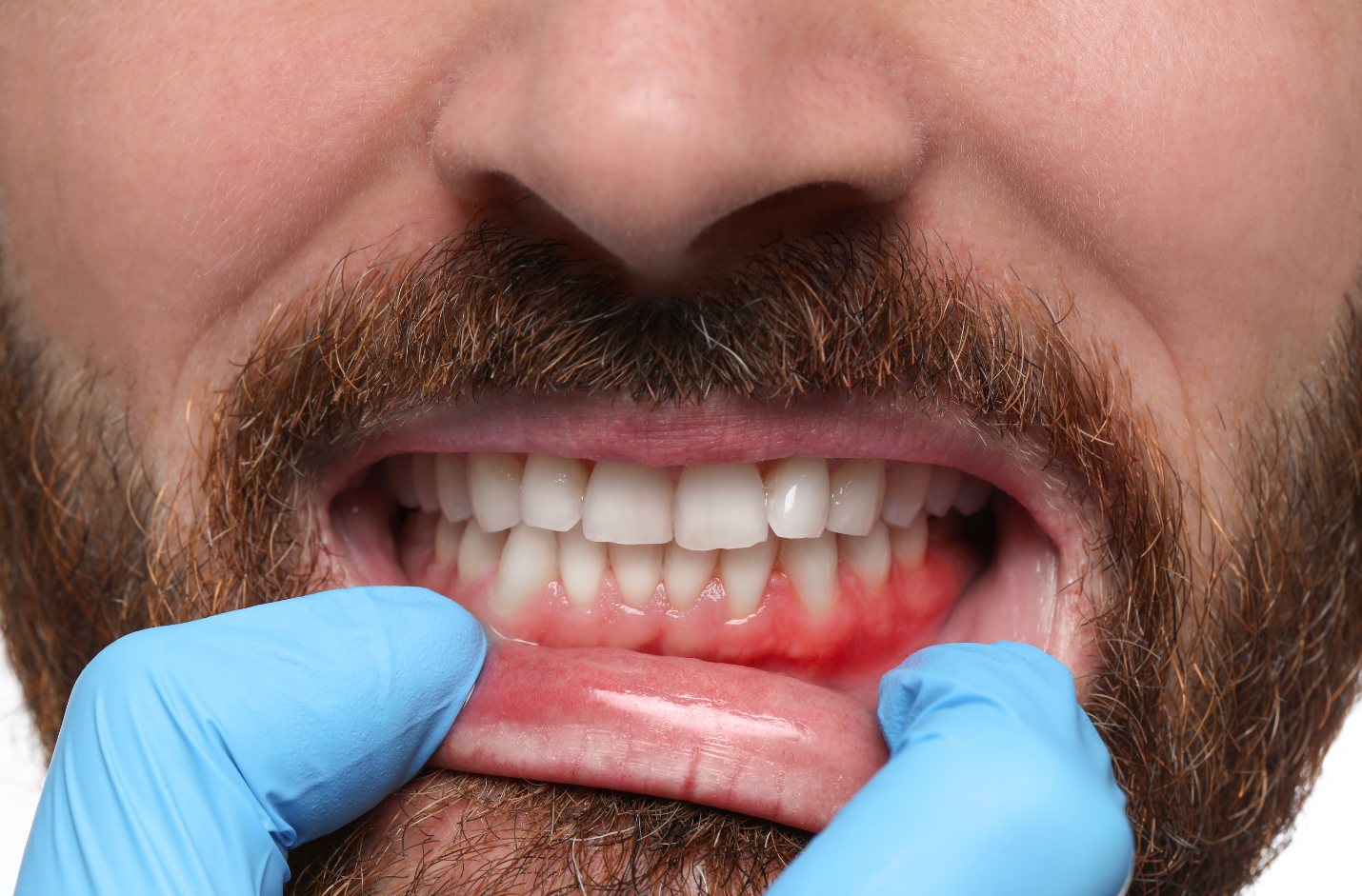
The earliest stage is called gingivitis. At this point, your gums may become red, swollen, or bleed easily. Fortunately, gingivitis can usually be reversed with proper dental care.
However, if left untreated, gingivitis can progress to periodontitis, a more serious condition that damages the tissues and bone supporting your teeth. Over time, this can lead to loose teeth and even tooth loss.
And it's more common than you might think. According to the CDC, approximately 4 in 10 American adults age 30 and older had some level of periodontitis in a national study conducted from 2009 to 2014.
7 Warning Signs of Gum Disease You Shouldn't Ignore
Your gums don't have to be painful to be unhealthy. Here are seven signs worth paying attention to.
- Your Gums Bleed When You Brush or Floss
Seeing blood in the sink isn't something you should automatically consider normal. Occasional bleeding can happen if you're flossing too aggressively, but frequent bleeding may indicate inflammation along the gumline.
- Your Gums Look Red or Swollen
Healthy gums are generally firm and fit snugly around your teeth. If yours appear unusually red, puffy, or tender, inflammation could be the reason.
- Your Breath Never Seems Fresh
Everyone experiences bad breath occasionally, especially after a garlicky dinner or that first cup of morning coffee. But persistent bad breath that doesn't improve with brushing or flossing may be a sign of bacteria accumulating around your gums.
Your Teeth Look Longer Than Before
Have you noticed more of your teeth showing when you smile? Your teeth probably haven't grown. Instead, your gums may be receding, exposing more of the tooth surface.Gum recession can have several causes, including periodontal disease, and deserves a dental evaluation.
- Your Teeth Feel Sensitive
If sipping cold water or enjoying ice cream suddenly makes you wince, exposed tooth roots from receding gums could be contributing to the problem. Sensitivity has other possible causes, too, so it's worth getting checked.
- Your Teeth Feel Loose or Your Bite Has Changed
Adult teeth shouldn't shift or feel loose. Changes in how your teeth fit together when you bite can be a warning sign of damage to the structures supporting them. Contact your dentist promptly if you notice these changes.
- Your Gums Are Tender When Eating
Chewing shouldn't be uncomfortable. Tender gums or pain when biting down may indicate inflammation or another dental concern that needs attention.
Can You Have Gum Disease Without Knowing It?
Absolutely. That's one of the trickiest things about gum disease.
Some people experience noticeable symptoms, while others have very few warning signs. You might feel perfectly fine even though inflammation is developing below your gumline.
That's why regular dental visits matter. Your dentist can examine your gums, measure the spaces around your teeth, and identify concerns that aren't obvious when you look in the mirror.
Simple Ways to Keep Your Gums Healthy
Protecting your gums doesn't require an elaborate routine. A few consistent habits can go a long way:
- Brush twice daily using a soft-bristled toothbrush and fluoride toothpaste.
- Floss or clean between your teeth daily to remove plaque from areas your toothbrush can't reach.
- Keep up with dental checkups and cleanings so small concerns can be caught early.
- Avoid tobacco products, which significantly increase your risk of gum disease.
- Pay attention to changes in your gums, teeth, or breath instead of waiting for discomfort.
If you already have gum disease, your dentist may recommend additional care, such as a deep cleaning, to help manage the condition.
Don't Wait for Your Gums to Hurt
It's easy to overlook your gums when your teeth look and feel fine. But a healthy smile depends on more than just healthy teeth.
The next time you brush, take a few seconds to look at your gums. Are they swollen? Do they bleed? Have you noticed anything different lately?
Those little observations could help you catch a problem before it becomes more serious.
If you've noticed any warning signs of gum disease, schedule a dental appointment. A simple examination can help you understand what's happening and what you can do to keep your smile healthy for years to come.